
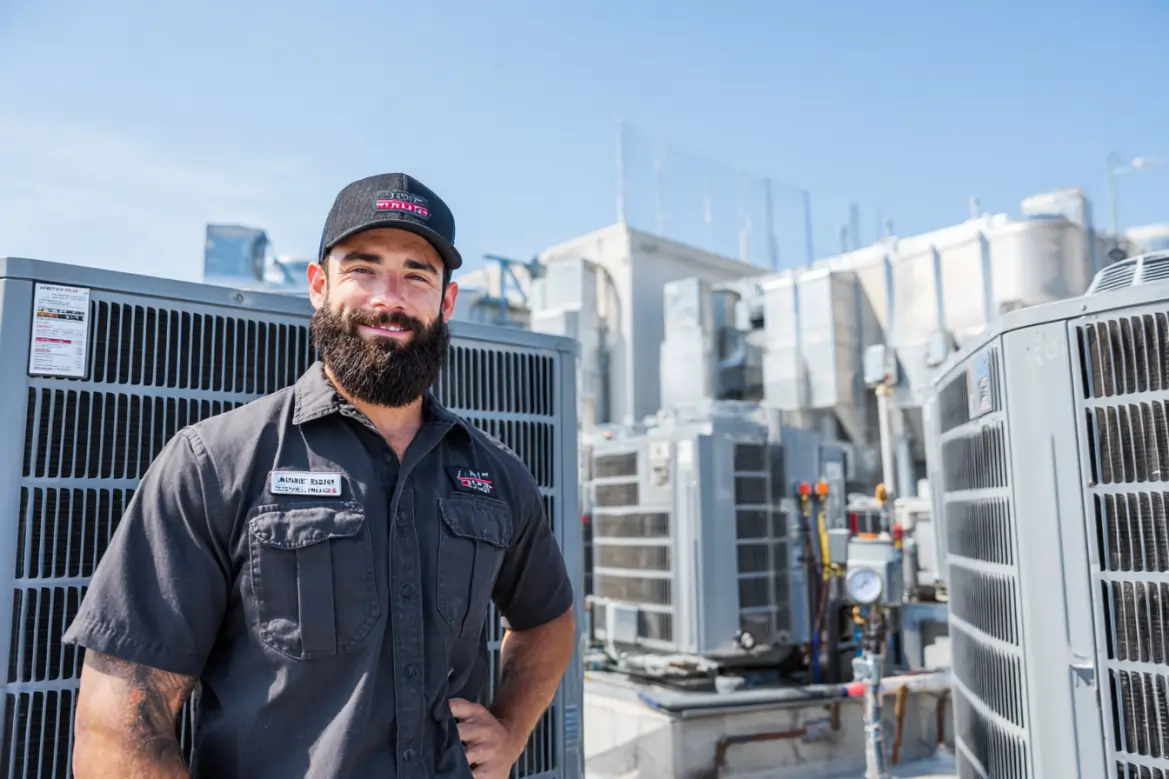
Finding a reliable HVAC repair company is essential to maintaining the comfort and safety of your home. Not all companies provide equal service, so it’s important to evaluate your options carefully. This guide outlines proven strategies and factors that can help you identify the best HVAC repair company for your needs.
Key Qualities of a Reputable HVAC Repair Company
- Licensing and Certification: Verify that the company is licensed in your state and has technicians certified by organizations such as NATE (North American Technician Excellence).
- Experience: Choose a company with a proven track record in the industry, ideally one with several years of operation.
- Insurance: Ensure that the company carries liability insurance to protect you in case of accidental damage during repairs.
- Reputation: Look at online reviews, ratings, and testimonials from previous customers. Companies with consistently high ratings are often more trustworthy.
Steps to Evaluate Your Options
- Ask for Recommendations
Reach out to friends, family members, or neighbors who have recently had their HVAC systems repaired or replaced. Word-of-mouth referrals often lead to trusted professionals. - Research Online
Use search engines and review platforms like Google Reviews, Yelp, or Angie’s List. Check if companies respond professionally to both positive and negative feedback. - Contact Multiple Companies
Obtain quotes from at least three companies. This not only helps you compare prices but also allows you to gauge their professionalism during interactions. - Check References
Reputable companies should provide references upon request. Contact these references to inquire about their experience with the company. - Verify Credentials and Affiliations
Confirm that technicians are certified through organizations like NATE or ACCA (Air Conditioning Contractors of America). Additional affiliations with energy efficiency programs can also indicate expertise in modern systems.
Questions to Ask Potential HVAC Repair Companies
| Question | Why It Matters |
| Are you licensed and insured? | Ensures compliance with legal requirements and protects against liability risks |
| What brands do you specialize in? | Confirms whether they have specific expertise on your system’s brand |
| Do you offer emergency services? | Ensures availability during unexpected breakdowns |
| What warranties do you provide? | Highlights their commitment to long-term quality |
Red Flags to Watch For
- Companies that provide vague estimates without inspecting your system.
- Pressure tactics urging immediate decisions without offering alternatives.
- Lack of documentation regarding licenses, certifications, or insurance.
- Extremely low pricing compared to competitors—this might signal poor-quality parts or untrained technicians.
Selecting an experienced and trustworthy HVAC repair company takes time but pays off when it comes to ensuring safe and efficient repairs for your home’s heating and cooling systems. By considering qualifications, reviews, transparency, and professionalism during your search process, you’ll be better equipped to make an informed decision aligned with your unique needs.
Identifying When Your HVAC System Requires San Antonio AC Repair or Replacement
Your HVAC system plays a critical role in maintaining indoor comfort and air quality. However, like any mechanical system, it can fail over time. Identifying early warning signs can save you from inconvenient breakdowns and costly repairs. Below are some of the primary indications that your HVAC system might need immediate attention.
Common Signs You Need Air Conditioning Repair San Antonio TX
- Rooms in your home may feel too hot or too cold despite adjusting the thermostat.
- Weak or inadequate airflow from vents could signal blockages, duct issues, or failing components like the blower motor.
- Visit www.sanantonioacrepair.org for professional air conditioning repair in San Antonio TX.
Identifying Unusual Noises with an HVAC Company San Antonio TX
Strange sounds coming from your unit often indicate mechanical problems: – Banging or Clanking: Could signify loose parts within the unit. – Hissing: Points to potential refrigerant leaks. – Squealing: Might be caused by worn-out belts or motor issues.
A professional inspection is recommended when such noises become persistent.
1. Increasing Energy Bills
A sudden spike in energy consumption without a corresponding increase in usage is a clear red flag: | Possible Cause | Description | |——————————-|————————————————–| | Dirty filters | Reduce airflow and force the system to work harder. | | Aging components | Lower efficiency of older systems increases power consumption. | | Refrigerant leaks | Compromised cooling efficiency leads to higher energy use. |
If your bills keep climbing despite regular maintenance, it might be time for a repair or replacement.
2. Foul Odors
Odd smells emanating from your HVAC system may point to serious issues: – A burning smell could indicate electrical problems. – A musty odor often suggests mold growth in ducts or internal components. Prompt attention is essential to prevent further damage and protect indoor air quality.
3. Frequent Cycling
Short cycling—when the system rapidly turns on and off—can strain components and signal underlying issues such as:
– Incorrect thermostat settings. – Oversized or undersized units for your home’s needs. – Malfunctioning sensors.
This problem not only decreases comfort but also speeds up wear and tear on the equipment.
4. Old Age of the System
HVAC systems typically last between 10–15 years with proper maintenance: | System Age (Years) | Recommended Action | |———————–|————————————————–| | <10 | Continue regular maintenance unless severe issues arise. | | >10 | Consider significant repairs if performance drops noticeably. | | >15 | Replacement is often more cost-effective than ongoing repairs.|
Proactively replacing an aging system ensures greater energy efficiency and reliability.
Proactive Steps to Address These Warning Signs
If you notice any of these signs, here’s what you can do: 1. Schedule an inspection with a qualified HVAC professional. 2. Replace filters regularly to avoid airflow blockages. 3. Ensure proper insulation around ducts to enhance efficiency. 4. Compare costs for repair vs replacement if major components fail.
Identifying these warning signs early not only protects your indoor comfort but also extends the life of your HVAC investment through timely intervention.
How Energy Efficiency Expertise Matters in Quality HVAC Repairs and Replacements
Energy efficiency is a critical factor to consider when seeking HVAC repairs or replacements. Not only does an energy-efficient HVAC system reduce utility costs, but it also minimizes your home’s environmental footprint. Experienced HVAC professionals with energy efficiency expertise can help optimize your system’s performance and ensure long-term savings. Below, we’ll explore why energy efficiency matters and how to identify technicians who prioritize it.
Benefits of Energy-Efficient HVAC Repairs
- Lower Utility Costs: Properly repaired systems consume less energy, reducing monthly heating and cooling expenses.
- Improved System Longevity: Systems that run efficiently tend to experience less wear and tear, extending their lifespan.
- Reduced Environmental Impact: Lower energy consumption means fewer greenhouse gas emissions, contributing to a greener planet.
- Enhanced Comfort: An optimized system distributes heat or cooling more evenly, improving indoor air quality and comfort levels.
Key Elements of Energy Efficiency in HVAC Repairs
- Technicians should be familiar with high-efficiency models like Energy Star-certified systems.
- Proficiency in smart thermostats or zoning systems that allow for better temperature control is essential.
- Professionals should perform proper load calculations using tools such as Manual J software to determine the specific heating or cooling needs of your home.
- Over- or under-sizing equipment can lead to inefficiency; accurate assessments are crucial.
- Leaky ducts can waste significant amounts of heated or cooled air, causing inefficiencies even in well-maintained systems.
- A reputable technician will evaluate ductwork during repair visits to ensure optimal airflow.
- Replacement parts that meet manufacturer specifications reduce the likelihood of breakdowns and improve overall efficiency.
Questions to Ask Your Technician About Energy Efficiency
- Will you conduct a complete inspection of my system for inefficiencies?
- Are there any upgrades I could make now for long-term savings?
- How do you determine the right size for replacement equipment?
- What certifications or training have you completed related to eco-friendly installations?
Example Table – Comparing Efficient vs Non-Efficient Systems
| Feature | Efficient System Benefits | Non-Efficient System Drawbacks |
| Monthly Operating Cost | Low | High |
| Environmental Impact | Minimal | Significant |
| Lifespan of Components | Longer | Shorter |
| Indoor Air Quality | Improved | May Deteriorate Over Time |
Final Thoughts on Energy Efficiency Expertise in Repairs
Seeking out professionals who emphasize energy efficiency ensures not only cost savings but also enhanced comfort and sustainability for your home. By choosing technicians equipped with modern tools, technologies, and training focused on reducing energy waste, you’ll gain confidence in the performance and reliability of your repaired or replaced HVAC system over time.
The Role of Customer Service and Transparency in Choosing Trustworthy HVAC Repair Services
When searching for a reliable HVAC repair service, customer service and transparency play a crucial role in ensuring a satisfactory experience. Here’s why these elements matter and how they can help you identify the best professionals for the job.
Why Customer Service is Essential
- Accessibility: Are they easy to contact via phone, email, or online chat?
- Responsiveness: Do they answer inquiries promptly? Delayed responses could indicate poor communication practices.
- Professionalism: Is their staff courteous and knowledgeable? Polite interactions often reflect the company’s dedication to its clients.
- Follow-Ups: Reliable companies check in after repairs to ensure everything is functioning correctly.
Paying attention to these factors speaks volumes about their commitment to serving customers effectively.
Why Transparency Builds Trust
- Provide Accurate Estimates: They should offer detailed pricing upfront, avoiding hidden fees or surprise charges later on.
- Explain Repair Processes: Technicians must clearly explain what needs fixing, why it’s necessary, and potential alternatives if available.
- Share Credentials: A trustworthy company openly shares licenses, certifications, and insurance coverage details so you can verify their expertise.
- Offer Written Agreements: Reputable businesses provide contracts outlining the scope of work, costs, timelines, warranties, and guarantees for your peace of mind.
By maintaining open communication throughout the process, transparent companies ensure there are no misunderstandings regarding expectations or costs.
Questions to Ask Before Hiring an HVAC Company
- What is your response time for emergency repairs?
- Can you provide references or reviews from past customers?
- Are there any hidden fees not included in this quote?
- How do you handle customer complaints or disputes?
- What warranties or guarantees do you offer on parts and labor?
Asking these questions not only helps clarify details but also gives insight into their willingness to assist clients with honesty and professionalism.
Red Flags to Watch For
| Warning Sign | Description |
| Lack of Credentials | Fails to provide certifications or proof of license |
| Poor Communication | Avoids answering questions directly or provides vague responses |
| High-Pressure Tactics | Pushes unnecessary upsells without justification |
| No Written Estimates | Refuses to document costs before starting work |
Spotting these red flags early can save time, money, and frustration down the line.
Prioritizing HVAC repair companies that emphasize excellent customer service and transparency ensures a smoother process while safeguarding your home’s comfort system investment long-term. By focusing on these critical factors during your search for professionals, you’ll make more informed decisions with lasting benefits.
Comparing Warranties and Guarantees to Ensure Long-Term Confidence in Your HVAC Repair Choices
When selecting an HVAC repair company, one of the most critical factors to evaluate is the warranties and guarantees offered with their services. These policies safeguard your financial investment, provide peace of mind, and ensure you are working with a company that stands behind its work. Understanding what to look for and how to compare these offerings can help you make a more informed decision.
Why Warranties and Guarantees Matter
- Financial Protection: A warranty ensures that if a component fails or an issue arises due to workmanship errors, you won’t bear additional expenses.
- Accountability: Companies offering comprehensive warranties demonstrate accountability for their services.
- Trust Building: Transparent guarantee policies build trust between the customer and the service provider.
Types of Warranties in HVAC Repairs
- Covers defects or issues related to the HVAC equipment itself.
- Typically ranges from 5–12 years depending on the brand.
- May require professional installation by certified technicians to remain valid.
- Provided by the contractor or service company.
- Covers issues arising from improper installation or repairs.
- Ranges from a few months to several years based on company policy.
- Available for purchase beyond standard warranty terms.
- Often provided by manufacturers or third-party companies.
- Promise quality workmanship with options like free follow-up visits if issues persist after service completion.
Key Factors When Evaluating Warranties
- Length of Coverage: Look for warranties that extend over multiple years rather than short-term offers.
- Make sure you understand which parts, labor, or system components are covered.
- Identify any exclusions such as improper maintenance voiding coverage.
- If selling your home in the future, transferable warranties can be an attractive feature for buyers.
- Check whether filing claims under warranty involves straightforward procedures without extensive delays.
| Warranty Type | Typical Coverage Period | Covers | Notes |
| Manufacturer’s Warranty | 5–12 years | Parts/Equipment | Requires professional installation |
| Labor Warranty | Few months – Several Years | Installation/Repair Work | Varies widely between contractors |
| Extended Warranty | Additional Years | Parts/Labor | Requires upfront purchase |
Questions to Ask Before Committing
- What is included in both parts and labor coverage?
- Are there any specific conditions required (e.g., routine maintenance)?
- How do I file a claim under this warranty?
- Is it possible to transfer this warranty upon selling my property?
Choosing an HVAC repair company with strong warranty policies not only demonstrates their reliability but also gives you peace of mind knowing your system will be covered should problems arise after service completion. Taking time to compare options upfront ensures you’ll have long-term confidence in your choice.
- Comprehensive Guide to Finding the Best AC Repair San Antonio TX Services for Your Home
- Key Benefits of Hiring Professionals for San Antonio AC Repair
- How to Spot the Warning Signs That Call for AC Repair San Antonio TX Needs
- Key Signs You Need Immediate San Antonio AC Repair for Your Air Conditioning Unit
- Ten Tips to Choose the Right Contractor for San Antonio AC Repair Needs
- Finding Reliable San Antonio AC Repair Services for Optimal Home Comfort
- Identifying When You Need AC Repair San Antonio TX for Your Air Conditioning System